Injection Moulding
 Injection moulding is a plastic moulding process in which plastic components are moulded under high pressure.
The first step in the injection moulding process is to manufacture a mould. The mould is unique for every component, but can be used many times. Some moulds has service life of many hundreds of thousands parts. Normally, the mould can be manufactured using machining or using wire or spark erosion.
When the mould is manufactured, it is clamped in the injection moulding machine. The clamping unit simply keeps the mould together. In the other end of the machine plastic granulates are fed into a heated cylinder which forces the plastic, which melts, into the mould under pressure. When the plastic hardens, the clamping unit opens so the final component can be removed.
There is a few aspects that determine which injection moulding job is suitable for a certain machine. The most important factor is the press force, simply the force with which the melted plastic is forced into the mould. A too weak force will end in a badly produced component, and a too strong force is uneconomical. There are also other factors to weigh in, such as length, width and depth, appropriate temperatures and cooling times. Injection moulding is suitable for medium to large sized batches as the initial cost for a mould is high but the the cost for every component is low.
Picture: Frontier Design Ltd
Advanced search
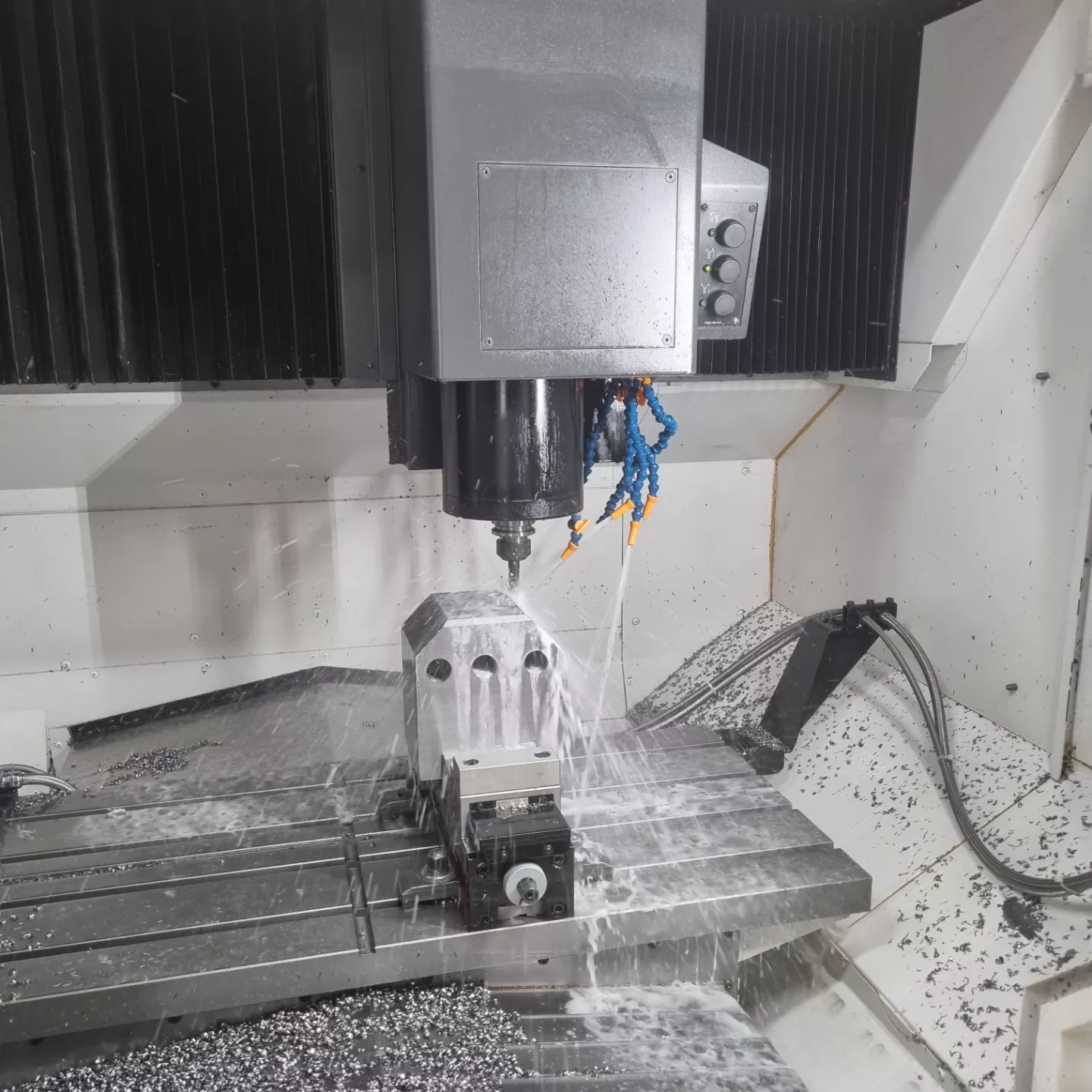

Mora Press & Form AB
Komplett verkstad för avancerad svarvning och fräsning. Vi kan tillverka detaljer i ental och små serier med hög precision med väldigt korta ledtider.Även formverktygs tillverkning och formsprutning i egna formsprutor.ISO 14001:2015ISO 9001:2015ISO 45001:2023REACH ComplianceRoHS DeclarationRoHS DirectiveECOVADIS SILVER Top 15%

Jila Industriförnödenheter AB - Hammarö
I mer än 20 år har vi jobbat med att förse svensk industri med produkter från våra väl beprövade leverantörer, världen över. Det vi levererar är tätningar och specialprodukter i Gummi, plast och metall. Vanliga leveranser består av o-ringar i epdm, viton, nitril, silikon, perflormaterial, metall eller teflon, planpackningar i gummi, fiber, plaster eller metall. Samt ritningsdetaljer i plaster, gummi och metaller.

Rutgerson Marin AB - Marstrand
Er tillverkningspartner i Marstrand Rutgerson Marin är ett svenskt familjeföretag med mer än 45 års tillverkningserfarenhet. Utöver vår egen produktion av yachtutrustning erbjuder vi även legotillverkning för en rad olika branscher. Vi arbetar i huvudsak med rostfritt stål, aluminium och konstruktionsplaster, och kan hantera allt från design och prototypframtagning till fullskalig produktion. Vår fabrik är utrustad med: Verktygsdesign och verktygstillverkning (pressverktyg & formsprutningsverktyg), inklusive underhåll och reparation Formsprutning & vakuumformning CNC-svarvar & CNC-fräsar (precisionsbearbetning & storformatsbearbetning)i format upp till 2050x3060 Vattenskärning i format upp till 1000x2000 Hydraulpress- och excenterpresslinjer, med robotbetjäning samt manuell drift Efterbearbetning: tvättning, kulpolering, stentrumling, maskinell polering Specialprocesser: svetsbults-robotcell Montering & logistik: limning, nitning, montering, lagerhållning Genom att kombinera ingenjörskompetens, modern maskinpark, automation och full kontroll över hela processen kan vi leverera högkvalitativa, flexibla och kostnadseffektiva tillverkningslösningar. 👉 Letar ni efter en pålitlig legotillverkare? Hör av er så berättar vi gärna mer om hur vi kan stötta era produktionsbehov.
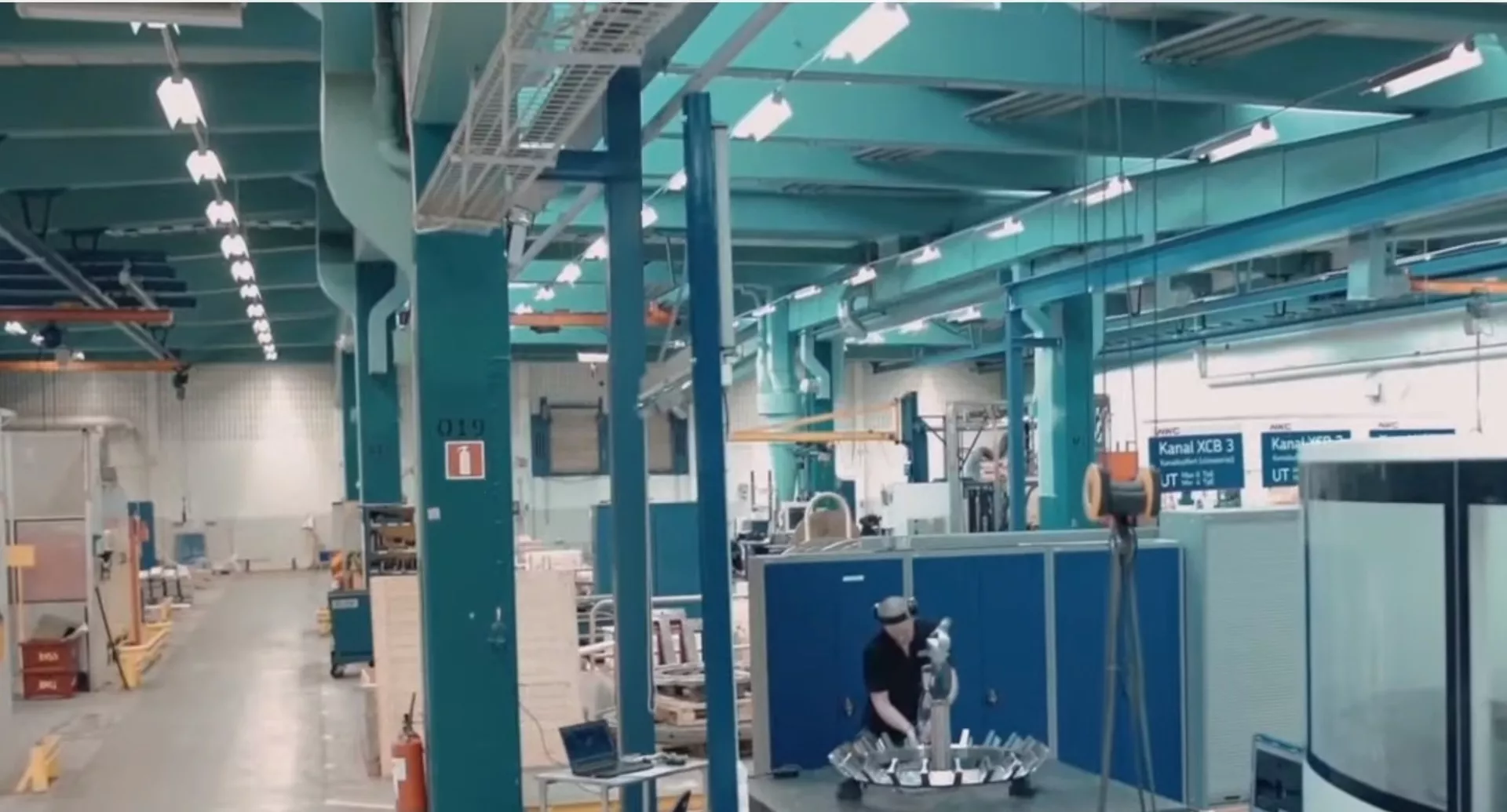

NKC Manufacturing Sweden AB - Göteborg
NKC Sverige är ett svenskt industriföretag med japanska ägare. Vår verksamhet består huvudsakligen av tillverkning av plåt-, stål- och formsprutningsprodukter. Vi pressar, laserskär, fräser, ytbehandlar och formsprutar en variation av komponenter som vi sedan levererar till världsledande industriföretag. Vi utför även fosfatering.

AWest AB - Sidensjö
Vi är expert inom 3d-printing, konstruktion och produktions anpassningar. Vi hjälper dig från ide till färdig produkt.
Mastec AB
Mastec är en industrikoncern och kontraktstillverkare som hanterar allt från konstruktion, utveckling, montering & sluttestning till komponenttillverkning i form av skärnade bearbetning, plåtbearbetning, svetsning, formsprutning av plast samt ytbehandling. Vi jobbar främst med små- till medelstora serier. Vi finns i dagsläget i Sverige, Polen och Kina.
Elastolan AB
Välkommen till ElastolanElastolan grundades 1974 och dess direkta föregångare var en av de första företag som började tillverka polyuretanuretangummi i Sverige. Idag sysslar Elastolan även med arbeten i sprayad polyuretan/urea samt stora och små jobb inom vattenskärning.Elastolan tillverkar kundspecifika industriprodukter i polyuretangummi. Några av våra produkter är valsar, formgods, omsbeläggningar samt lager och hjul. Vulkat polyuretangummi är samlingsnamnet för slitstarka, sega och elastiska material över hela det gummielastiska hårdhetsområdet och intar en särställning.Den bärande idén för verksamheten är att ha största möjliga mångfald beträffade olika kvalitéer, hårdheter och praktiska tillämpningar samt i kundens tjänst finnas med från idé- och utvecklingsstadiet fram till prototyp och produktion.Vi jobbar ständigt med utvecklingsarbetet för både användningsområden och tekniska tillämpningar av våra metoder, kvalitéer och efterbearbetning.Elastolan har både konstruktion och tillverkning under samma tak vilket är en bidragande faktor till vår mångkunnighet inom polyuretangummitillverkning.Välkommen att kontakta oss så berättar vi mer.

Essge-Plast AB
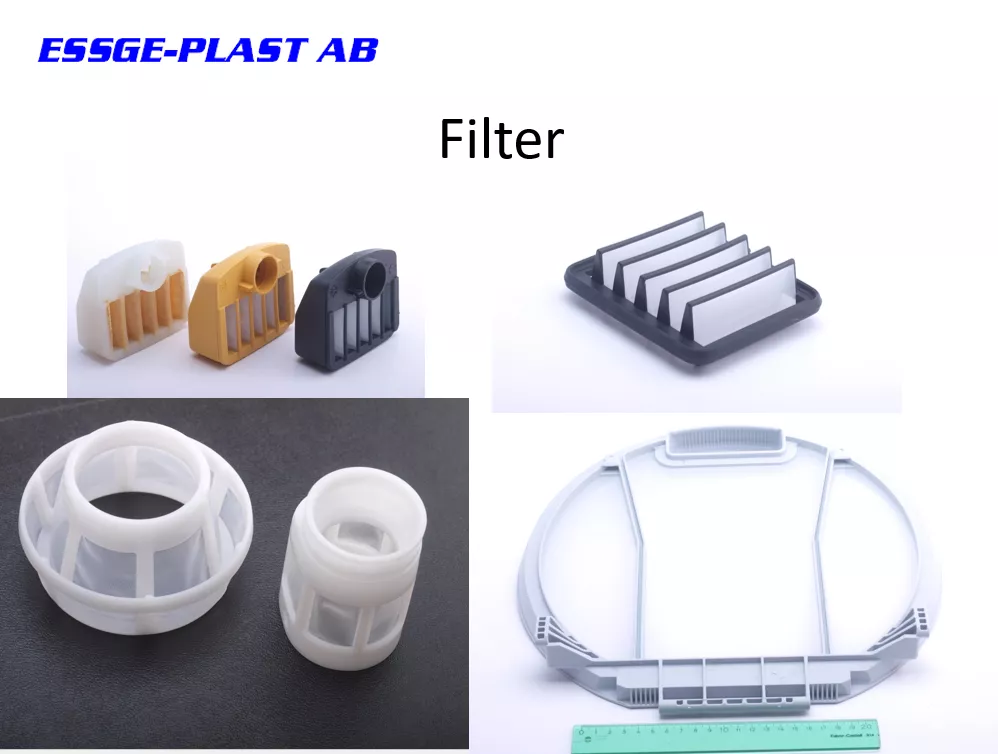
ESSGE-PLAST AB är en formsprutare som har specialiserat sig på Filter och Tekniskt formgods. Sedan 1964 har vi fabrik och produktion i Östersund vi är cirka 60 anställda och levererar till 100 kunder inom och utanför Sverige. Vår primära kundbas är inom:-Skog och trädgård-Fordonsindustrin -Läkemedel/BiotechVi har erfarenhet av att leverera mot försvarsindustrin. Hållbarhet och kvalitet är något vi arbetar aktivt med från inköp av råvara till leverans till slutkund. Vi är sedan flera år certifierade ISO-9001 & ISO-14001. Under 2025 genomgick vi vår första ECOVadis genomgång och nådde upp till bronsnivå. Jämtkraft leverar 100% förnybar energi till vår produktion. Sedan 2014 har vi en egen produkt Essge NCS - Det är ett distanssystem som förebygger CUI vid teknisk isolering. Efter några år och flera kunder så har vi upptäckt att produkten också har en ljuddämpande egenskap i kombination med isolering. Vi har gjort tester mot ISO-15665:2003.
Menea AB - Karlskrona
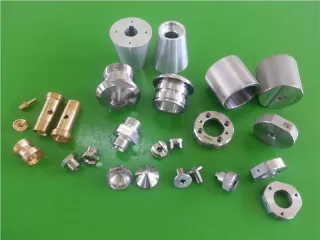
Menea AB är ett företag med inriktning på ingenjörstjänster samt import av tillverkning, montage och metaller. Med kontor i Sverige, Spanien och Bosnien kan du som kund känna dig trygg med att vi kan leverera rätt kvalitet, till rätt pris och i rätt tid.Vi erbjuder Svarvning och fräsning av korta och långa serier med möjlighet för våra kunder att avropa från en svensk adress även om det tillverkas i utlandet. Korta leveranser på 5-axligt bearbetning av korta och långa serier (Sverige, Slovenien, Bosnien-Hercegovina) Laserskärning och rörlaserskärning Tillverkning av fjädrar i olika storlekar och material Bockning och svetsning Smide och Gjutning Formverktyg för plast samt plastdetaljer Vi har bra priser på specialkoppar CCZ (elmedur) och rostfritt material som vi köper i (Tyskland) Standard eller specialprofiler enligt kundens ritning i aluminium (Bosnien-Hercegovina)Ingenjörstjänster: Projektledning Hjälp med att bygga upp och underhålla ledningssystem för ISO 9001 för mindre industriföretag Mekanisk konstruktion Beräkningar i Ansys Workbench genom våra samarbetspartners i Bosnien-Hercegovina med svensktalande kontakt på plats i Bosnien-HercegovinaKontor: Sverige (Karlskrona) Bosnien-Hercegovina (Mostar) Spanien (Malaga)Vårt sätt att arbeta:Vi letar upp leverantörer, gör personliga besök hos dom för att undersöka deras kapacitet och maskinpark samt kontrollera deras kvalitetsarbete.Vi har inget emot att våra kunder arbetar direkt mot våra leverantörer utan oss som mellanhand men vi finns alltid till hands när det behövs. Menea AB erbjuder även hjälp med att kvalitetssäkra kundens produkter på plats innan leverans eller göra kontroller under process hos leverantören.
Ingenjörsfirma Teknoprod AB - Täby
Teknoprod AB är en legotillverkare av kompletta system där elektromekaniska system, kabelstammar, fiberoptik samt vårt eget varumärke Viking med belysning och tillbehör ingår.Som leverantör till svensk industri sedan mitten av 1980-talet har vi mycket högt ställda kvalitetskrav på hela vår process från design till levererad produkt.Tillverkningen sker vid vårt helägda dotterbolag Teknosystem i Polen TEKNOSYSTEM CO. LTD samt att vi har ett långvarigt samarbete med tillverkare av gummi-, plast-, och metallprodukter.
Pdat Sweden AB
Sedan 2009 har Finska Pdat levererat ca 1000 formverktyg för plast- och metallindustrin. Kunderna finns i Europa, USA och Asien. Tillverkningen sker i Finland och Kina. I Sverige har vi försäljning, lager och service.Det unika med Pdat är vi har tillverkning i ett lågkostnadsland men ledning och ägarna är Skandinaviska. Detta skapar förutsättning för en rätt kvalitet från början men också med det skandinaviska innovations- och förbättringstänket.
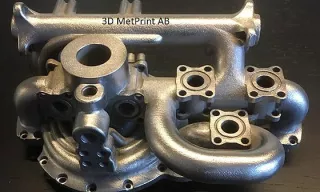
3D MetPrint AB - Älmhult
3D MetPrint AB är ett servicecenter inom additiv tillverkning och tillhandahåller 3D-printade föremål i metalliska material, huvudsakligen verktygsstål och rostfria stål. Vi har erfarenhet från bl a verktygstillverkning inom fordonsindustrin och vi ser fram emot att vara behjälpliga med tillverkning av alla slags stålkomponenter bl a verktyg och verktygsdelar till formsprutningsverktyg, andra typer av verktyg samt prototyper och reservdelar..
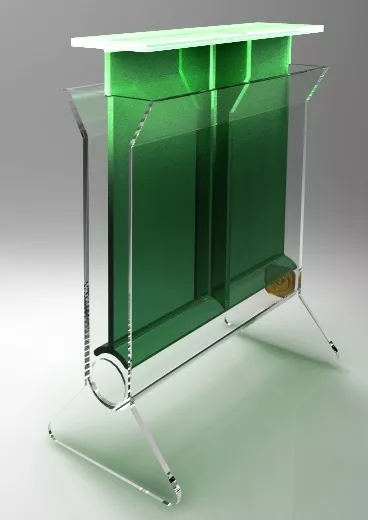

Plastic Produkter AB - Bromma
OM PLASTIC PRODUKTERPlastic Produkter har sedan 1919 hjälpt åtskilliga företag och uppfinnare att förverkliga produkter,  genom produktutveckling, konstruktion , design, formgivning, prototyping och produktion.Vi är innovativa och flexibla i vår konsultutövning, i vår prototypframtagning och produktion. Vi klarar de flesta tillverkningsmetoder inhouse,  via våra dotterföretag eller underleverantörer.Vi använder många tillverkningstekniker. Mekanisk bearbetning, varmformning, vakuumformning, formsprutning, strängsprutning etc.  Vi har erfarenhet,  sedan 1919,  från otaliga uppdrag tillsammans med forskare, storindustri, medtechföretag, småföretag och enskilda uppfinnare. Enskilda produkter till stora system har vi, under åren, utvecklat tillsammans med våra uppdragsgivare.Vi fortsätter som vanligt  vårt arbete att hjälpa våra kunder att hitta rätt lösningar på önskad produktion.
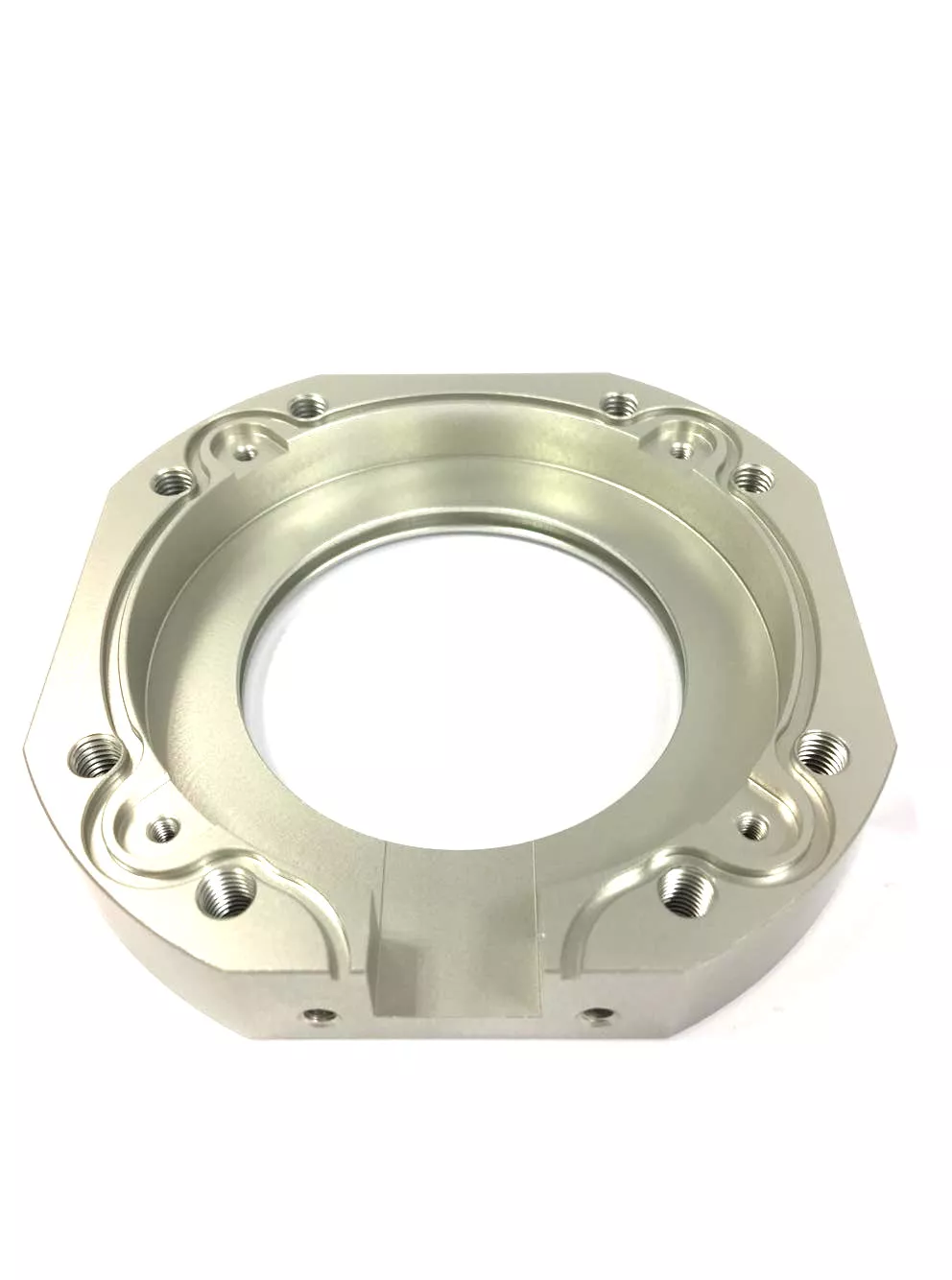

Reval CNC Group Oü - Tallinn
Vi skräddarsyr vår tillverkning för våra kunder. Vi är stolta över vår moderna och avancerade maskinpark, där vi snabbt och kostnadseffektivt kan erbjuda: Konstruktion - Produktion - Pulverlackering - Leverans Med 5-axliga CNC maskiner samt lasermaskiner för både plåt- och rörbearbetning har vi enorma möjligheter att producera både finmekaniska detaljer samt produkter för byggindustrin. Vår maskinpark består av produktionsmaskiner som har valts med morgondagens teknologi i åtanke, och vi ser alltid fram emot att investera i nya och innovativa produktionslösningar så vi kan bli din självklara totalleverantör där vi kan leverera det mesta som täcker DINA behov. Företaget finns i Tallinn, men DU som kund kommunicerar självklart med svenskspråkig personal. Reval CNC Group ser fram emot att hjälpa just dej. Simon Stenbäck