Brazing
Brazing is a method to join pieces of material or components.
when brazing, to pieces of material are put together and the small space inbetween them is filled by a filler metal or alloy. To make sure that the joining peices are not damaged it is important that the filler metal's liquidus (melting) temperature and that it is lower than those of the components being jointed.
By using capillary action, the whole space between both components is filled, so that the joint is solid. Simplified, capillary action is that the level of fluid in a thin tube is higher than the level in a wider tube, if the tubes are connected.
Brazing has a few advantages compared to other joining techniques such as welding. For example brazing will not melt the joining components wich means that tolerances will be finer, the joint will look good so there will not be a need for subsequent treatment, different types of materials can be joined together, even non-metals and there will be less thermal distortion. Finally, it is easy to automate brazing, making it suitable for massproduction.
Of course, there are also some disadvantages. The most important is probably that a brazed joint is weaker than a welded one. It is also very important that the joint is perfectly clean during the manufacturing process, otherwise it may be weakend. The last important disadvantage is that joint is often in a different colour than the rest of the component.
Advanced search
Ralex CNC-Teknik & Svets AB - Sävsjö
Välkommen till RALEX!Vi är ett tillverkande företag inom metallbranschen, som framställer allt från avancerade CNC-tillverkade produkter till svetsade konstruktioner.Ralex CNC-Teknik & Svets AB är verksamma i Sävsjö, Småland och ägs av Ronny och Helen Alexandersson. Företaget var tidigare beläget i Nässjö under 2003-2010.Vi är ett mindre företag med stor kapacitet och modern maskinpark. Stor del av vår tillverkning är i rostfria material men även koppar, mässing, aluminium, plast, stål m.m. Vi hanterar mindre och medelstor produktion.Vi arbetar tvåskift och helg. Maskinerna går obemannat nattetid.Kompetens, flexibilitet och snabba beslutsvägar i kombination med vår avancerade utrustning är vår styrka!
Nya Lesjömek AB - Lesjöfors
Nya Lesjömek AB i Lesjöfors erbjuder metallegoarbeten, skärandebearbetning och plåtbearbetning.

Lectus Produktion AB - Mönsterås
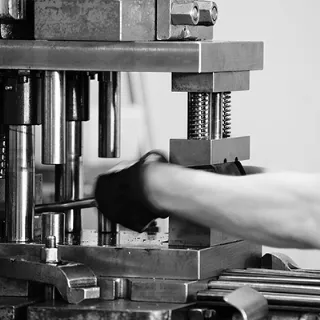
Vår huvudsakliga inriktning är avancerad rörbockning, pulverlackering, plastbeläggning och avfettning. Vi arbetar även med excenterpressning, svetsning, montering och packning i egna lokaler.

Mastec AB
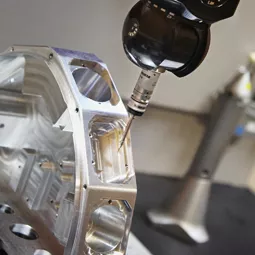
Mastec är en industrikoncern och kontraktstillverkare som hanterar allt från konstruktion, utveckling, montering & sluttestning till komponenttillverkning i form av skärnade bearbetning, plåtbearbetning, svetsning, formsprutning av plast samt ytbehandling. Vi jobbar främst med små- till medelstora serier. Vi finns i dagsläget i Sverige, Polen och Kina.

AQ M-tech AB - Uppsala
På AQ M-Tech AB är vi mer än bara en OEM-tillverkare; vi är din pålitliga partner inom precisionsteknik.Med ett dedikerat fokus på svetsning, montering och bearbetning tar vi med oss specialiserad expertis till varje projekt, vilket säkerställer precision och excellens i varje detalj.De flesta av våra kunder jobbar inom laboratorie- och medicinteknik samt andra branscher där hög precision och kvalitet krävs.Vi erbjuder fullständiga helhetslösningar, inklusive montering och förpackning. Vi tar hand om din produkts hela livscykel, från råmaterial till prissatt lager.Läs gärna mer om oss på vår hemsida!
Litcon Tools AB - Stockholm
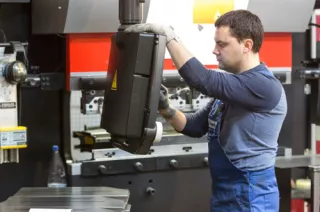
LITCON TOOLS utför kontraktstillverkning av metall- och plåtbearbetning till krävande industrikunder. Produktionen är förlagd till Litauen vilket innebär att vi kan erbjuda mycket konkurrenskraftiga priser. Genom egen projektledning på plats, i tätt samarbete med utvalda och beprövade produktionspartners, utför vi säkra och högkvalitativa leveranser utan någon extra projektrisk för kunden.Kundkontakt och samordning utförs från vårt kontor i Stockholm vilket ger dig trygg och lättillgänglig rådgivning och service genom alla stadier av projektet, samtidigt som du tillgodogör dig Litauens fördelaktiga kostnadsläge och gynnsamma geografiska placering. Litcon Tools ger dig möjlighet att snabbt och enkelt komma igång med denna tillverkning utan de besvär som avstånd, språk och annan affärskultur ibland skapar.Exempel på våra produktionsområden är:Skärande metallbearbetningPlåtbearbetningSvetsningYtbehandlingFramtagning av produktionsverktygMonteringKonstruktion (CAD)Kontroll och testningLogistik och lagringEmballering och transport

Lepro i Hofors AB - Hofors
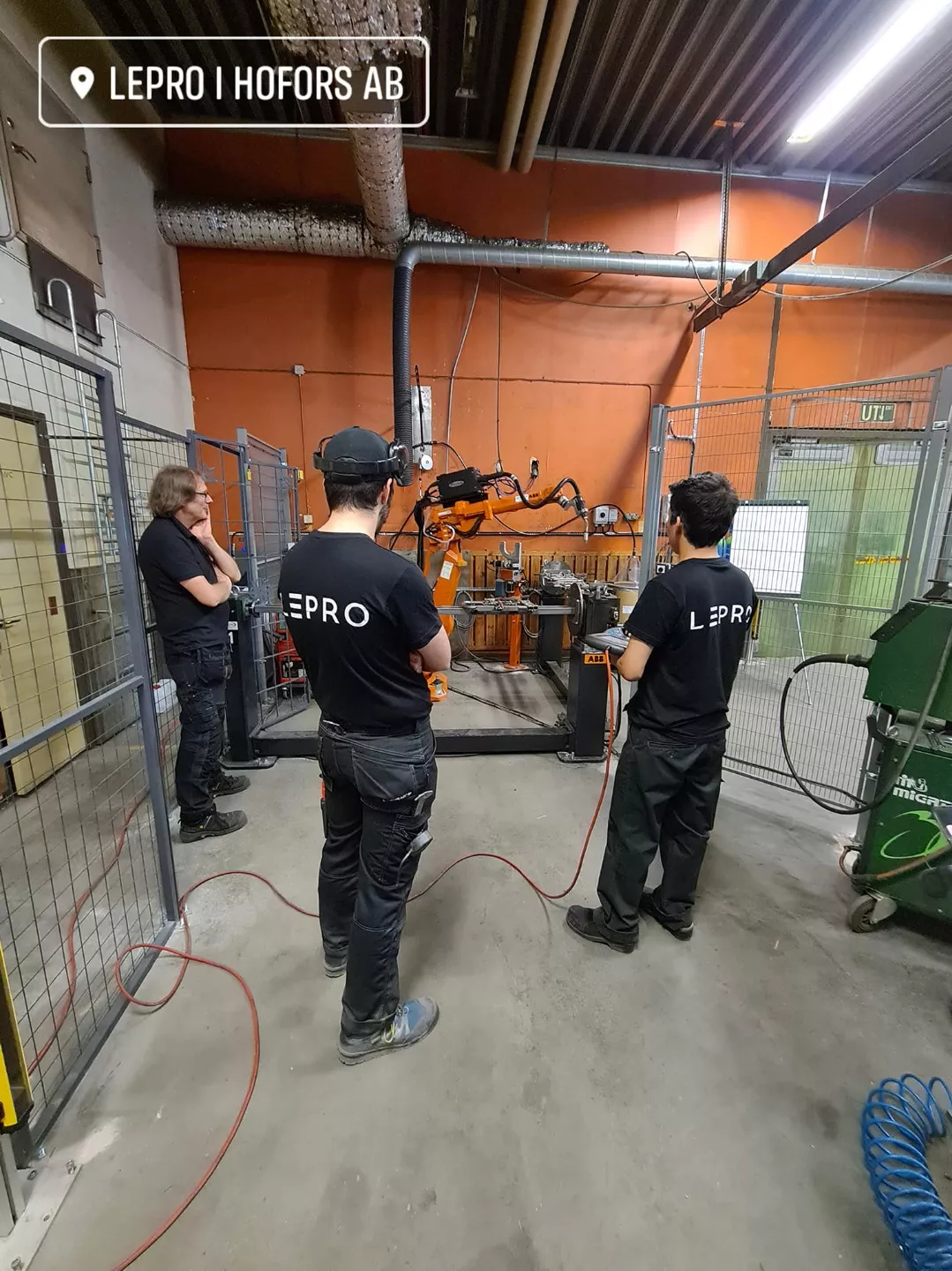
Lepro, som startade 1994, är en mekanisk verkstad. Inriktningen är bland annat rörbockning, Laserskärning, svetsning, automatkapning av rör och stång, plåtbearbetning, hårdlödning och exenterpressning. En lösning är aldrig långt borta.Vi arbetar åt både stora och små företag med bland annat produkter till sjukvården, städvagnar, legotillverkning av plåt och rörprodukter med mera. Förutom våra kunder i Sverige vänder vi oss till de nordiska länderna. Vi utför även montering och paketering av slutprodukter.Vi har en egen pulverlackeringsanläggningvi lackerar både våra egna produkter och till kund.Marknader får alltid sin väg och vi är inget undantag. Vi förhåller oss till kundens behov. Genom en effektiv hantering av resurser och hög produktivitet håller vi kostnaderna låga medan kvaliteten förblir hög.Vi är Certifierade inom ISO 9001 & 14001
RSE Mekaniska AB
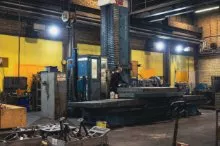
Vi tillverkar både våra egna produkter som materialhanteringsutrustning, typ skruvar, transportörer, silos och fickor, harvar och sladdar till travbanor. Vi utför ofta legotillverkning och bearbetning mot kunds ritning. Vi tar åt oss montage och reparationer ute hos dig som kund. Kort och gott det ni behöver hjälp med.Inget är varken för stort eller smått. Vi har mångårig erfarenhet av reparationer på bl.a asfaltverk.Verkstaden finns i Sala och är väl lämpad mot komplett tillverkning mot tyngre industri.Läs mer i vår broschyr

Industry Welding Sweden AB - Västerås
Industry Welding Sweden AB startade 2022 och har sedan dess växt snabbt tack vare nöjda kunder och bra resultat. Vi är specialister på TIG-svetsning, men kan också andra svetsmetoder som MIG/MAG och MMA. Vi jobbar som underleverantör till industriföretag och hjälper även till med personaluthyrning och rekrytering. Vårt mål är att alltid leverera hög kvalitet, vara pålitliga och bygga långsiktiga samarbeten med våra kunder.På Industry Welding Sweden AB är vi specialister på TIG-svetsning, en svetsmetod som ger mycket noggranna och fina resultat.Den passar extra bra när vi svetsar i rostfritt stål och aluminium.Men vi arbetar också med andra svetsmetoder, som MIG/MAG och MMA, för att kunna ta hand om olika typer av svetsjobb.Vi svetsar i material som:StålRostfritt stålAluminiumVi gör svetsade delar, komponenter och konstruktioner efter kundens ritningar och önskemål. Det kan vara både små serier och större projekt. Vårt mål är alltid att leverera svetsarbeten av hög kvalitet, vara noggranna och hålla de tider vi lovar.Industry Welding Sweden AB hjälper till med rekrytering och uthyrning av certifierade svetsare, CNC-operatörer och montörer för industrin.Vi levererar både erfarna och nyare medarbetare som kan börja arbeta direkt.Våra medarbetare har varierande erfarenhet och är vana att arbeta självständigt samt följa instruktioner och ritningar. De är noggranna och punktliga.Vi erbjuder både kortare och längre uppdrag, anpassat efter behov. Tillsammans med våra kunder ser vi till att matcha rätt person till rätt projekt för att underlätta produktionen.Med Industry Welding Sweden AB får du en enkel och pålitlig lösning för dina personalbehov inom industrin.

Prestando AB - Trelleborg
Prestandogruppen har under flera år byggt upp ett stort kunnande inom pressning, maskinbearbetning och verktygstillverkning när det gäller att producera detaljer med stora krav på kvalitet, toleranser och säkerhet. Utifrån denna unika kompetens har vi definierat ett antal produktområden där vi kan erbjuda marknaden högkvalitativa, kundanpassade lösningar.* Djupdragna detaljer upp till 6 mm tjocklek* Kallformade detaljer upp till 12 mm tjocklek* Stansade detaljer upp till 12 mm tjocklek* Laserskurna detaljer upp till 26 mm tjocklek* Avancerad svetsning både automatiserat och manuellt* CNC bearbetningVi kan arbeta med alla typer av material såsom kolstål, aluminium, rostfritt och höghållfast stål upp till S700 MC.Med vår bredd och vårt kunnande är vi en pålitlig och stark partner för våra kunder.

Specialsvets Sundsvall AB
Vi utför svetsarbeten och tillverkning med fokus på Prosessindustrin, Verkstadsindutrin och Vattenkraften.Arbeten utförs i vår egna verkstad eller på plats ute hos kund. För oss är det viktigt med hög kvalitet och nöjda kunder.I våran verkstad har vi en bred maskinpark både inom svetsning och plåtberedning för att kunna erbjuda legotillverkning åt industrin.Vi bistår också med idéer och lösningsförslag om ni vill. Personlig service och nöjda uppdragsgivare är viktigt för oss. Ring eller mejla.Kika gärna in på våran Instagram sida https://instagram.com/specialsvetssundsvall?igsh=MXUxbG5qZHBpazVkZg==

Diac Metal AB - Jönköping
Laserskärning & Plåtbearbetning Diac hanterar plåtbearbetning med hjälp av stansning, pressning, laserskärning, kantbock, valsning och svets. Vår maskinutrustning ger oss resurser att klara det mesta inom området och att leverera med hög kvalitet och högt materialutnyttjande. Tillsammans med kollegor i närområdet så löser vi även den tillverkning som vi inte har utrustning till själva och kan på så sätt erbjuda en helhetslösning. Laserskärning är en flexibel metod för att ta fram avancerade plåtdetaljer som sedan används i våra svetsade konstruktioner. Både korta såväl som långa serier. Det är idag en efterfrågad process tack vare laserns höga precision, hastighet och de många användningsområden som finns. Vi skär till största delen med Nitrogen vilket inte lämnar glödskal på skäryta, något som kan försämra vid lackering. Vi erbjuder också kunder att bara köpa laserskuren plåt om de så önskar. Med laserskuren plåt kan du skapa många olika kreativa och praktiska designer, för inomhusbruk eller utomhusbruk. Till exempel inredning, dekorationer, konst, hantverk, utomhuspaneler, och mycket annat. Laserskärning kan göras utan efterbehandling tack vare dess höga precision och smarta system.Kombination med kantbockning, valsning eller annan plåtbearbetning Laserskärning kombineras ofta med någon form av plåtbearbetning, till exempel kantbockning eller valsning, och passar både vid serietillverkning och vid prototypframtagning. Vi specialiserar oss på flera typer av plåtbearbetning. Vi erbjuder även rundning / rullning för plåtbearbetning med hjälp av valsning.Bocka plåt / Bockning Med vår helelektriska kantpress SafanDarley E-Brake Ultra E130-3100 kan vi forma metall och skapa rätt vinklar, ofta i kombination med laserskärning och svetsning för att få till en perfekt kantbearbetning. Bockning innebär att vi formar plåten utefter hur konstruktionen ska se ut. Materialet pressas till rätt form med hjälp av verktyg. Valsning I en rullvalsmaskin kan vi valsa plåt med dimensioner upp till 4mm och minsta radie av 130mm. Beroende på utformning finns även möjlighet att valsa 4-kantsrör till olika radier. Detta underlättar då vi tillverkar exempelvis runda bordspelare i större diameter som skall svetsas eller större plåtsvep som skall svetsas på konstruktion. Manuell svetsning & Robotsvetsning Vi svetsar både manuellt och i robotsvets. Vi svetsar med MIG/MAG och TIG i stål, rostfritt stål och aluminium. Beroende på vilket behov våra kunder har och vad som blir mest kostnadseffektivt väljer vi manuell svetsning eller robotsvetsning. Vi har stor expertis både inom att svetsa aluminium och att svetsa rostfritt. På våra ändamålsriktiga svetsbord kan vi snabbt bygga enkla fixturer för att underlätta manuell svetsning. För små och medelstora serier är manuell svets den bästa lösningen. Vi har mycket duktig personal som hanterar era projekt från skuren och bockad plåt till färdig detalj för lackering. Manuell svetsning och efterföljande slipning för hög kvalitet är ett kvalificerat arbete som kräver stor yrkesskicklighet. Montering Vi hjälper naturligtvis till med att förenkla er process genom att ta hand om alla förekommande eftertempon och sedan leverera direkt till kund. Vi har kapacitet att ta hand om alla förekommande eftertempon och för att säkerställa en genomgående hög kvalitet erbjuder vi även montering av sammansatta detaljer. Vår kunniga personal tar hand om hela processen, från laserskärning och svetsning till ytbehandling och montering.Specialtillverkning Behöver ni hjälp med specialtillverkning i form av till exempel prototyptillverkning? Diac Metall erbjuder kundunik tillverkning för flera typer av specialprojekt.Produktutveckling Vi har bred erfarenhet av att utveckla och tillverka nya produkter inom metall. Det gäller även om ni har behov av att förbättra materialet i en produkt. Vi erbjuder oss att ta fram färdiga produktionsritningar inför uppstart av ett nytt projekt som kund får godkänna innan produktionsstart. Detta för att vi tillsammans skall ha en klar bild av vad som skall tillverkas/levereras.Prototyptillverkning metall Med prototyptillverkning kan ni testa produkten och anpassa arbetet därefter. Vårt mål är att leverera kostnadseffektiv produktutveckling och tillverkning av prototyper, anpassade efter kundernas önskemål.Kundunik tillverkning av specialprojekt Behöver ni specialdesignade detaljer i plåt eller rör, kontakta oss för att få rätt expertis och hjälp. Vi löser tillverkning av plåtdetaljer och specialprojekt enligt era önskemål.Legotillverkning / Legoproduktion Det kan vara svårt för ett enda företag att sköta hela framställningen av en produkt. Legoproduktion är en viktig del av en effektiv produktion och innebär att man tar hjälp av andra företag för att utföra vissa moment. Har ni behov av legotillverkning så finns vi redo med kompetens och maskiner.Inredning i metall Industriell inredning i metall är både praktiskt och estetiskt tilltalande. Vi tillverkar inredning till bland annat restauranger, barer och gallerior.Inredning restaurang & bar Restaurangmöbler och restauranginredning i rostfritt, stål och aluminium är populärt. Det är hållbara, tåliga och snygga material att använda i miljöer där många personer vistas dagligen. Metall passar bra som bar inredning, till exempel i form av barhylla och glashängare tak, eller metallnät inredning.Inredning till gallerior Vänd dig till oss om du behöver hjälp med inredning till gallerior och butiker. Det kan till exempel röra sig om pop up inredning och concept store inredning.Möbler offentlig miljö Vi tillverkar möbler för en rad olika användningsområden och miljöer. Möbler för offentlig miljö, restaurang, hotell, kontor, butiker, eller privata fastigheter - välkommen att kontakta oss för inredning i metall.Pulver Lackering Vi utför pulverlackering som ger ett jämnt resultat, bra skydd och snygg finish. Vi erbjuder en mängd olika kulörer för att hitta det som passar dina önskemål. Diac Metall har god kompetens även inom pulverlackering av metall och plåt. Det kan röra sig om stål, pressgjuten aluminium eller rostfritt. Vi utför ytbehandling i form av pulverlackering, både för våra egna projekt men utför också legolackering åt flera kunder. Pulverlackering är en mycket miljövänlig process som är fri från lösningsmedel. Dessutom kan översprutande pulverfärg återvinnas. Vi har en förbehandling med järnfosfatering och efterföljande sköljar i totalt fyra steg. Vi lackerar gods upp till 2700 x 1200 x 600 mm. Under vissa förutsättningar kan vi lackera upp till 2800 mm, beroende på möjligheten att hänga på godset optimalt. Med vår långa erfarenhet av lackering borgar det för att vi levererar en högkvalitativ pulverlackering i både små och stora serier. Vi har möjlighet att erbjuda er ett stort urval av olika färgnyanser.Legolackering Vi utför legolackering och kan lackera metallprodukter inom en rad olika områden med högkvalitativt resultat.

Hallins Sales AB - Ödeshög
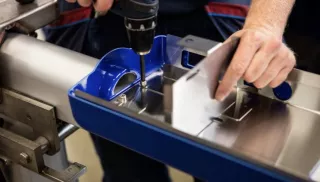
Specialister på rostfritt, aluminium och stålHallins Verkstäder har i mer än 80 år utvecklat metoderna för materialbearbetning, kvalitetskontroll och leveranssäkring. Idag är vi en toppmodern verkstadsindustri med 65 anställda och en omsättning på 85 miljoner kronor.Vår ambition är att vara en allkonstnär inom rostfritt, aluminium och stål. Det betyder förstås att ha de bästa tänkbara verktygen. Men det viktigaste är att behärska tekniken fullt ut, med den känsla och finess som kommer ur erfarenhet, kompetens, idérikedom och skickligt hantverk. På så sätt blir varje produkt något av ett konstverk med genuin kvalitet i alla avseenden.Vi tillverkar och utvecklar ett brett sortiment av egna produkter, främst för restaurang och storkök. Men vi har också omfattande systemproduktion med helhetsansvar. Med kunder inom bland annat förpacknings-, läkemedels- och livsmedelsindustri är det givet att vi tillämpar GMP, Good Manufacturing Practice.
Sterners Specialfabrik AB - Dala-järna
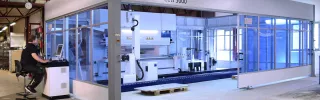
Bredden är vår styrkaSterners är en kvalitetsleverantör med spetskompetens inom elektronik, mekanik, programmering och egen tillverkning. I över 70 år, sedan 1946, har vi levererat tekniska lösningar som förändrat och förenklat olika funktioner i människors vardag. Vi finns där människor finns, och våra innovationer har varit närvarande i många sammanhang, alltid med fokus på kundens behov. Vi erbjuder ett helhetskoncept som inkluderar service och support, och är därigenom ett stöd även efter konstruktion och leverans.En avgörande framgångsfaktor är vår personal. Genom att vi alltid värderat våra medarbetares utveckling lika högt som våra affärsmål har vi med tiden skapat ett lyhört och stabilt innovationsföretag med hjärta och engagemang. I våra lokaler i Dala-Järna har vi samlat våra konstruktions-, monterings- och plåtbearbetningsavdelningar. Här får människor, maskiner och teknik goda förutsättningar för att samverka och utvecklas, och för att bygga värden för våra kunder.Företaget, som är verksamt med framgång i flera europeiska länder, består av tre affärsområden: Payment solutions (betalsystem), Mercur (bilvårdsutrustning), samt Contractor (kundanpassade bestyckningar av elskåp och plåtbearbetning, främst som underleverantör till maskinbyggare).